

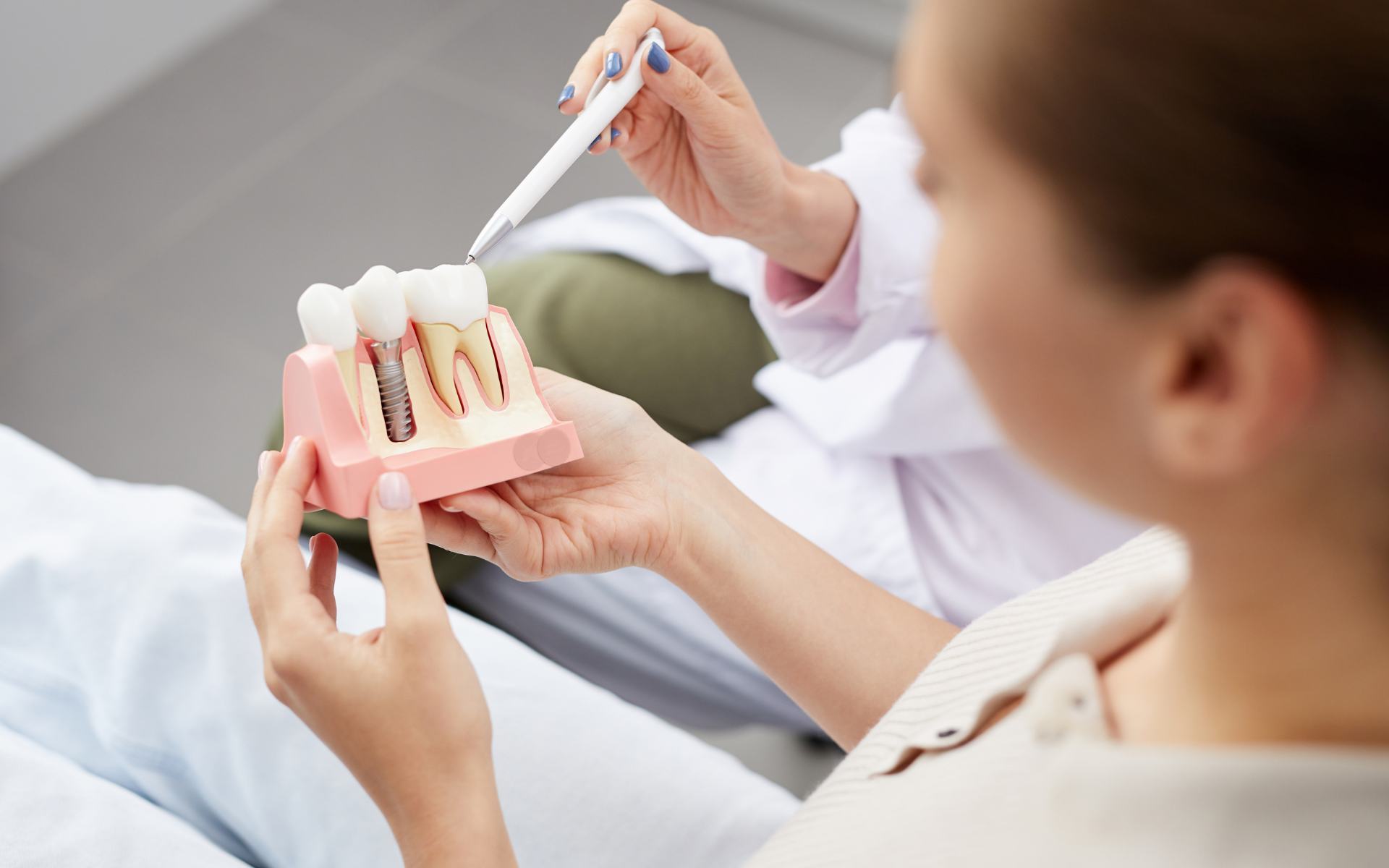
Missing teeth can affect your ability to chew, speak and smile confidently. Dental implants are a popular tooth replacement option because they provide a fixed foundation for artificial teeth. However, some patients are told they do not have enough jawbone to support dental implants. This can happen when a tooth has been missing for several years, following gum disease, an infection or an injury.
The good news is that bone loss does not automatically mean dental implants are impossible. Depending on the amount and location of bone loss, several treatment options may help prepare the jaw for implant placement.
If you are considering dental implants in Mohali, understanding the relationship between jawbone health and implant treatment can help you make an informed decision. This guide explains why bone loss occurs, how dentists assess it and what treatment options may be available.
What Is Jawbone Loss?
Jawbone loss refers to a reduction in the volume or density of the bone that supports natural teeth. The jawbone provides a foundation for tooth roots and helps maintain facial structure.
When a natural tooth is lost, the surrounding bone no longer receives the same stimulation from chewing forces. Over time, the bone in that area may gradually shrink. This process is known as bone resorption.
The amount of bone loss varies from person to person. Some patients experience only minor changes, while others may develop significant bone reduction that affects their ability to receive conventional dental implants.
Adequate bone volume and quality are important because a dental implant needs sufficient support to remain stable and integrate with the surrounding bone.
Why Does Jawbone Loss Occur?
Several factors can contribute to jawbone loss. Identifying the underlying cause is important before planning dental implant treatment.
1. Long-Term Missing Teeth
When a tooth is extracted or lost and not replaced, the jawbone in that area may gradually shrink. The lack of stimulation from the natural tooth root can contribute to bone resorption.
Patients who have been missing teeth for many years may therefore have less bone available for implant placement.
2. Advanced Gum Disease
Periodontal disease is an infection affecting the gums and supporting structures of the teeth. If it progresses, it can damage the bone surrounding natural teeth.
Severe gum disease may cause teeth to become loose and eventually require extraction. Bone loss may remain even after the affected teeth are removed.
3. Dental Infections
An untreated tooth infection or abscess can damage the surrounding bone. In some cases, bone defects may remain after the infection has been treated or the tooth has been extracted.
Active infection must be managed before implant treatment is considered.
4. Dental Trauma
Accidents, sports injuries and other forms of trauma can damage teeth and surrounding bone. Depending on the extent of the injury, the patient may experience bone loss around the affected area.
5. Ill-Fitting or Long-Term Dentures
Removable dentures rest on the gums and underlying jawbone. Over time, natural changes in the jawbone can affect denture fit. Continued bone resorption may make dentures increasingly loose and uncomfortable.
A dental examination can help identify whether bone loss is contributing to these problems.
Can You Get Dental Implants If You Have Bone Loss?
Yes, some patients with jawbone loss may still be suitable for dental implant treatment. The treatment approach depends on the amount of available bone, its location, bone quality and the patient’s overall oral health.
In selected cases, implants can be placed using the existing bone. Other patients may need a bone graft or a specialised implant technique to create adequate support.
The dentist must evaluate the jawbone before recommending treatment. Not every patient with bone loss needs grafting, and not every bone defect can be corrected using the same procedure.
How Do Dentists Check Bone Availability Before Implant Treatment?
A detailed assessment is essential when planning dental implants for patients with bone loss.
Clinical Examination
The dentist examines the gums, remaining teeth, bite and the area where the implant is planned. Signs of infection, gum disease or other oral health problems are also assessed.
Dental X-Rays
Dental X-rays can help evaluate the teeth and surrounding bone. They may provide useful information about the general condition of the jaw.
CBCT 3D Imaging
Cone Beam Computed Tomography (CBCT) may be recommended for detailed implant planning. It provides three-dimensional information about bone height, width and anatomical structures.
This imaging can help the dentist identify whether there is sufficient bone for implant placement and whether additional procedures may be required.
Treatment Options for Dental Implants With Bone Loss
There are several approaches that may help patients with reduced jawbone volume. The appropriate option depends on the location and severity of bone loss.
1. Bone Grafting Before Dental Implant Placement
Bone grafting is a procedure used to increase or rebuild bone volume in an area where the jawbone is insufficient for conventional implant placement.
During the procedure, graft material is placed in the area that needs additional bone support. The material may come from the patient’s own bone, a donor source, an animal-derived source or a synthetic material, depending on the clinical plan.
Over time, the grafted area undergoes healing and may develop sufficient bone volume for implant placement.
Bone grafting may be considered when:
- The jawbone is too narrow to support an implant.
- Bone height is insufficient in the planned implant area.
- Bone loss has occurred after tooth extraction.
- A previous infection has damaged the supporting bone.
- The dentist needs to rebuild a localised bone defect.
The healing period varies according to the size of the graft and the patient’s condition. Some patients may receive an implant at the same time as grafting, while others need a separate healing period.
2. Guided Bone Regeneration
Guided bone regeneration is a technique used to encourage bone growth in areas where additional support is needed.
A bone graft material may be placed in the affected area and covered with a special membrane. The membrane helps protect the healing site and supports the development of new bone by limiting the entry of certain soft tissues into the grafted space.
This technique may be useful for selected localised bone defects around planned implant sites.
The dentist determines whether guided bone regeneration is appropriate based on the size and shape of the defect.
3. Sinus Lift Procedure for Upper Jaw Bone Loss
The upper back jaw can sometimes have limited bone height because of the position of the maxillary sinus. After the loss of upper back teeth, the bone may shrink, while the sinus space may expand downward.
A sinus lift, also known as sinus augmentation, is a procedure that adds bone material beneath the sinus membrane to create additional support for dental implants.
There are two commonly discussed approaches:
Internal or crestal sinus lift: This approach is generally considered when a smaller increase in bone height is needed and the existing bone provides suitable support.
Lateral sinus lift: This approach may be used when a greater amount of bone augmentation is required. Access is created through the side of the upper jaw so graft material can be placed beneath the sinus membrane.
The choice depends on the patient’s anatomy, available bone and implant treatment plan.
4. Ridge Augmentation
The alveolar ridge is the part of the jawbone that supports the teeth. After tooth loss, this ridge may become narrow or lose height.
Ridge augmentation is a procedure used to rebuild the shape and volume of the jawbone. Bone graft material is placed in the deficient area to improve the foundation for future implant placement.
It may be recommended when the jawbone has become too narrow or uneven for conventional implant placement.
5. Short Dental Implants
In selected cases, short dental implants may be considered when there is limited vertical bone height.
These implants are designed to provide support without requiring the same implant length as conventional options. They may help avoid certain additional procedures in carefully selected patients.
However, short implants are not suitable for every situation. Their use depends on bone quality, bite forces, implant position and the overall restoration plan.
A detailed assessment is necessary before choosing this approach.
6. Angled Dental Implants
Angled implants are placed at a planned angle to make use of available bone while avoiding certain anatomical structures.
This technique may be used in selected full-arch rehabilitation cases, where the goal is to support a fixed set of replacement teeth using strategically positioned implants.
Angled implant placement requires careful planning and is not appropriate for every patient with bone loss.
7. All-on-4 Dental Implant Treatment
All-on-4 is a full-arch treatment approach in which a complete set of replacement teeth is supported by four strategically positioned implants in suitable patients.
In some cases, the implants at the back are placed at an angle to make better use of the available bone and reduce the need for extensive grafting.
However, All-on-4 is not automatically suitable for everyone with bone loss. The dentist must assess bone availability, bite forces, gum health and other clinical factors.
The treatment plan may also involve alternative implant numbers or additional procedures.
8. Zygomatic Dental Implants for Severe Upper Jaw Bone Loss
In selected cases of severe upper jaw bone loss, zygomatic implants may be considered.
Unlike conventional implants, which are anchored in the jawbone, zygomatic implants are longer and gain support from the cheekbone, also called the zygoma.
This is a specialised procedure generally reserved for carefully selected patients with significant upper jaw bone deficiency. It requires advanced surgical expertise and detailed imaging.
It is not a routine alternative for every patient with reduced jawbone volume.
What Happens If You Do Not Have Enough Bone for Dental Implants?
If the available bone is insufficient, the dentist may recommend additional treatment before implant placement or discuss alternative tooth replacement options.
Depending on the situation, these may include:
- Bone grafting followed by implant placement
- Guided bone regeneration
- Sinus augmentation
- Specialised implant designs or placement techniques
- Dental bridges
- Removable partial or complete dentures
The goal is to select a treatment that restores function while considering long-term oral health and patient comfort.
How Long Does Dental Implant Treatment Take With Bone Grafting?
Treatment duration depends on the amount of bone loss, the grafting procedure and the patient’s healing response.
In some cases, bone grafting and implant placement may be performed during the same appointment. In other cases, the dentist may recommend waiting for the graft to heal before placing the implant.
The overall treatment process may involve:
- Initial consultation and 3D imaging.
- Treatment planning and management of existing dental problems.
- Bone grafting or another preparatory procedure, if required.
- Healing and evaluation of the grafted area.
- Dental implant placement.
- Implant healing and integration with the bone.
- Placement of the final crown, bridge or full-arch restoration.
Patients should understand that complex implant treatment may take several months. The dentist can provide an estimated timeline after reviewing the scans and clinical findings.
Who May Need Additional Care Before Dental Implant Surgery?
Certain medical and lifestyle factors can affect healing and implant success.
Patients with uncontrolled diabetes, active gum disease, heavy smoking habits or certain medical conditions may need additional assessment before surgery.
The dentist should also know about medications, previous surgeries and any history of complications related to healing.
Good oral hygiene and management of existing dental problems are important steps before implant placement.
How to Maintain Dental Implants After Treatment
Once dental implants have been placed and restored, maintaining healthy gums and surrounding bone is essential.
Follow these practices:
- Brush twice daily using a soft-bristled toothbrush.
- Clean between teeth and around implants using recommended tools.
- Attend regular dental examinations.
- Follow professional cleaning recommendations.
- Avoid smoking and tobacco products.
- Manage conditions such as diabetes with appropriate medical care.
- Avoid chewing excessively hard objects.
- Discuss teeth grinding with your dentist.
Although dental implants cannot develop tooth decay, the surrounding tissues can become inflamed or infected. Good maintenance helps protect the implant and its supporting structures.
Dental Implants With Bone Loss in Mohali: What Patients Should Know
If you are searching for dental implants in Mohali but have been told that your jawbone is insufficient, it is worth discussing whether additional treatment or specialised implant options may be suitable.
Patients from Mohali, Chandigarh, Kharar, Zirakpur and nearby areas can seek a professional assessment to understand their available options.
At Dr. Raman Sandhu Dental Clinic, patients can discuss missing teeth, dental implants, crowns, bridges and other restorative treatment options. A personalised consultation and appropriate imaging can help determine whether conventional implant placement, bone grafting or another approach may be considered.
Frequently Asked Questions About Dental Implants With Bone Loss
1. Can I get dental implants if I have severe bone loss?
Some patients with severe bone loss may still have treatment options, depending on the location and extent of the deficiency. Bone grafting, specialised implant techniques or alternative restorations may be considered after detailed assessment.
2. Is bone grafting always necessary before dental implants?
No. Bone grafting is not required for every patient with bone loss. If adequate bone is available in the planned implant area, the dentist may be able to place an implant without additional grafting.
3. How long does bone grafting take to heal?
Healing time varies depending on the size and type of graft, the patient’s health and the surgical approach. Some cases require several months before implant placement can proceed.
4. Is a sinus lift painful?
A sinus lift is performed using appropriate anaesthesia. Some swelling, tenderness or discomfort may occur during recovery. The dentist provides post-operative instructions and medication recommendations based on the procedure.
5. Can dental implants be placed immediately after tooth extraction?
In selected cases, an implant may be placed immediately after extraction. This depends on the condition of the extraction site, available bone, absence of uncontrolled infection and the ability to achieve implant stability.
6. Can gum disease cause dental implant failure?
Yes. Active or poorly controlled gum disease can increase the risk of complications around dental implants. Healthy gums and regular maintenance are important before and after implant treatment.
7. Are dental implants better than dentures for patients with bone loss?
Dental implants can provide fixed support and may help maintain stimulation in the surrounding jawbone. However, dentures may be more suitable for some patients depending on bone availability, medical health, treatment complexity and personal preferences.
Conclusion
Jawbone loss can make dental implant treatment more complicated, but it does not automatically rule out the possibility of replacing missing teeth with implants. Depending on the clinical condition, options such as bone grafting, guided bone regeneration, sinus lift procedures, short implants, angled implants and specialised full-arch solutions may be considered.
The most important step is a detailed dental examination with appropriate imaging. The right treatment depends on bone volume, gum health, medical history and the patient’s individual requirements.
If you are exploring dental implants in Mohali and have been diagnosed with bone loss, consult a dental professional to understand your treatment options. Visit Dr. Raman Sandhu Dental Clinic to discuss missing tooth replacement and suitable restorative dental care.