

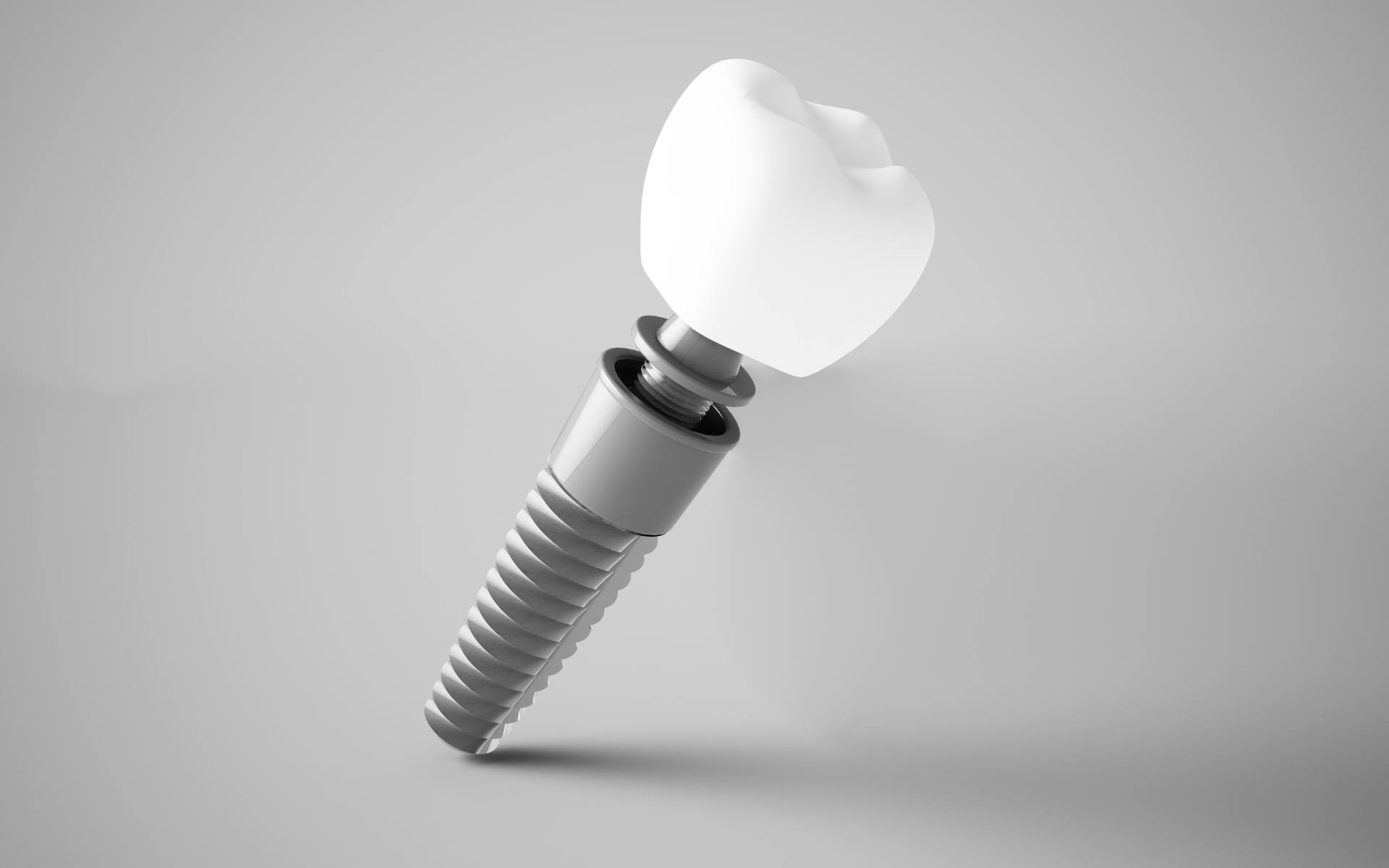
Missing teeth can affect much more than your smile. They may make chewing difficult, change the way you speak, and reduce confidence in social situations. Traditional dental implant treatment often involves multiple stages and a healing period before the final replacement teeth are attached. However, advances in implant dentistry have introduced an option known as immediate loading dental implants, which may allow selected patients to receive fixed temporary teeth on the same day as implant placement.
But does same-day dental implant treatment mean everyone can walk into a dental clinic with missing teeth and leave with permanent fixed teeth? Not necessarily. Immediate loading is suitable only in certain clinical situations, and careful planning is essential.
If you are considering immediate loading dental implants in Mohali, understanding the procedure, benefits, limitations, and eligibility criteria can help you make an informed decision.
What Are Immediate Loading Dental Implants?
Immediate loading dental implants are a treatment approach in which a dental implant is placed into the jawbone and a temporary replacement tooth or fixed prosthesis is attached within a short period, often on the same day or within 48 hours.
A conventional dental implant procedure usually involves placing the implant and allowing it to heal before attaching the replacement tooth. During healing, the implant gradually integrates with the surrounding jawbone. This process is called osseointegration.
With immediate loading, the dentist places a temporary restoration soon after implant surgery, provided the implant has sufficient initial stability and other clinical conditions are favourable.
It is important to understand the difference between immediate loading and receiving a permanent final crown. In many cases, the same-day teeth are temporary restorations. The final permanent teeth are placed after the implant has healed adequately.
Can You Get Fixed Teeth on the Same Day?
Yes, some patients can receive fixed temporary teeth on the same day as dental implant placement. However, same-day treatment is not appropriate for every patient.
The dentist must first evaluate the condition of the jawbone, gum health, bite, number of missing teeth, and overall oral health. The implant must achieve adequate primary stability so that it can support the temporary restoration without excessive movement during healing.
For patients who meet the clinical requirements, immediate loading may reduce the time spent without fixed teeth. It can be especially useful in selected cases involving multiple missing teeth or full-arch tooth replacement.
The treatment plan depends on individual anatomy and clinical findings. A dental examination and appropriate imaging are necessary before confirming whether same-day fixed teeth are possible.
How Does the Immediate Loading Dental Implant Procedure Work?
Immediate loading dental implant treatment involves several carefully planned stages. Although the patient may receive temporary fixed teeth on the same day, the preparation begins well before the surgery.
1. Initial Dental Consultation
The first step is a detailed consultation with the dentist. The dentist examines the teeth, gums, jawbone, bite, and areas where implants may be required.
Your medical and dental history is also reviewed. Conditions such as uncontrolled diabetes, active gum disease, smoking habits, and certain medications may affect implant healing and need to be considered.
2. Digital Imaging and Treatment Planning
Dental X-rays and, when indicated, a CBCT scan may be used to evaluate the jawbone. These images help the dentist assess bone volume, bone density, anatomical structures, and suitable implant positions.
For immediate loading, accurate planning is particularly important because the implant must achieve sufficient stability to support a temporary restoration.
3. Implant Placement
During the procedure, the dentist places a titanium or other suitable dental implant into the jawbone at the planned position. The implant acts as an artificial tooth root.
The dentist checks the implant’s stability after placement. If the clinical conditions are suitable, the treatment may proceed with immediate loading.
4. Attachment of Temporary Fixed Teeth
A temporary crown, bridge, or full-arch prosthesis may be attached to the implant or implants. The restoration is designed to provide appearance and function while the implants heal.
The dentist may adjust the bite to reduce excessive pressure on the newly placed implants. In some cases, dietary restrictions are recommended to protect the implants during the healing phase.
5. Healing and Final Teeth Placement
After implant placement, the bone gradually integrates with the implant surface. This healing process takes time and varies between patients.
Once the dentist confirms that healing and stability are satisfactory, the temporary restoration can be replaced with the final crown, bridge, or full-arch prosthesis.
Immediate Loading vs Traditional Dental Implants
Both immediate loading and conventional implant treatment aim to replace missing teeth with stable, functional restorations. The main difference is when the temporary or final restoration is attached.
Immediate loading dental implants may provide fixed temporary teeth shortly after implant placement, subject to clinical suitability. This can help reduce the period during which a patient has to manage without fixed teeth.
Traditional dental implants generally involve placing the implant first and allowing it to heal before attaching the final restoration. Depending on the case, the patient may use a removable temporary replacement during this period.
| Feature | Immediate Loading | Conventional Implant Treatment |
|---|---|---|
| Timing of temporary teeth | Often same day or shortly after surgery in suitable cases | May be provided during or after the healing period |
| Implant healing | Still required | Still required |
| Final restoration | Usually placed after healing | Usually placed after healing |
| Suitability | Requires adequate initial implant stability | Depends on bone, gum, and overall clinical conditions |
| Treatment planning | Requires careful assessment and bite management | Requires careful assessment and staged planning |
Neither approach is automatically better for every patient. The dentist recommends a method based on the condition of the jawbone, oral health, and treatment goals.
Who Is a Suitable Candidate for Immediate Loading Dental Implants?
Not everyone is eligible for same-day fixed teeth. The dentist considers several clinical factors before recommending immediate loading.
Patients With Adequate Jawbone Support
Sufficient bone volume and quality are important for achieving implant stability. If the jawbone is too weak or insufficient, additional procedures or a delayed loading approach may be recommended.
Patients With Good Gum Health
Healthy gums and good oral hygiene support successful implant treatment. Active gum infection or untreated periodontal disease may need to be managed before implant placement.
Patients With Good General Health
Overall health can influence healing. Conditions such as uncontrolled diabetes or medical issues affecting bone healing may require additional evaluation and coordination with the patient’s medical professional.
Patients Requiring Multiple Tooth Replacement
Selected patients missing several teeth may be considered for immediate loading using an implant-supported bridge. The number and positioning of implants depend on the individual treatment plan.
Patients Suitable for Full-Arch Rehabilitation
Some patients who have lost most or all teeth in an upper or lower jaw may be candidates for a fixed full-arch temporary prosthesis supported by dental implants. This approach requires careful assessment of bone support, implant distribution, and bite forces.
When May Same-Day Dental Implants Not Be Recommended?
Immediate loading is not suitable in every situation. A conventional or staged approach may be safer when the implant cannot achieve adequate stability or when healing conditions are unfavourable.
Situations that may require additional treatment or a different approach include:
- Insufficient jawbone volume or poor bone quality.
- Active gum disease or untreated oral infections.
- Uncontrolled medical conditions that may affect healing.
- Heavy smoking or tobacco use.
- Severe teeth grinding or clenching.
- Complex bite problems that may place excessive pressure on the implants.
- A need for extensive bone grafting before implant placement.
These factors do not automatically mean that a patient cannot receive dental implants. They may simply mean that immediate loading is not the most appropriate option.
Benefits of Immediate Loading Dental Implants
When recommended for the right patient, immediate loading may offer several advantages.
Fixed Temporary Teeth Without a Long Initial Waiting Period
One of the main benefits is the possibility of receiving fixed temporary teeth shortly after implant placement. This may reduce the time a patient spends without a fixed replacement.
Improved Smile Appearance
Missing front teeth can affect confidence and social interactions. A temporary fixed restoration may help improve the appearance of the smile while the implants heal.
Support for Speech and Daily Activities
Replacing missing teeth may help with certain speech difficulties and everyday activities. The extent of improvement depends on the location and number of missing teeth.
Convenient Treatment Planning
For selected patients, immediate loading can combine implant placement and temporary restoration within a shorter initial treatment period. This may be helpful for people who prefer fewer separate treatment stages.
Support for Full-Arch Tooth Replacement
In appropriate cases, immediate loading may allow a patient to receive a fixed temporary full-arch prosthesis supported by implants. This can be an option for people who have lost most or all of their teeth in one jaw.
Are Same-Day Dental Implants Permanent?
The implants themselves are designed to function as long-term tooth replacements. However, the teeth attached on the day of surgery are often temporary.
The temporary restoration protects the treatment plan and provides appearance and function during healing. It may be designed with specific bite adjustments to avoid excessive pressure on the implants.
After successful healing and confirmation of implant integration, the dentist may replace the temporary teeth with a permanent restoration made from suitable dental materials.
The lifespan of dental implants and their restorations depends on several factors, including oral hygiene, gum health, bite forces, smoking habits, regular dental visits, and general health. No implant treatment can be guaranteed to last for a specific number of years.
How Long Does the Immediate Loading Procedure Take?
The duration depends on the number of implants, the complexity of the case, and whether additional procedures are needed.
A straightforward case involving a single implant may take less time than a full-mouth or full-arch restoration. When multiple implants are being placed, additional planning and laboratory work may be required.
The same-day appointment may include implant placement, checking stability, preparing the temporary restoration, and adjusting the bite. Patients should discuss the expected appointment duration with their dentist before scheduling treatment.
Recovery and Aftercare Following Immediate Loading
Although temporary fixed teeth may be provided quickly, the implants still require a healing period. Following the dentist’s instructions is essential.
Follow a Soft Food Diet
Patients are commonly advised to eat soft foods during the early healing period. Hard, crunchy, sticky, or very chewy foods may place unnecessary pressure on the implants and temporary restoration.
Maintain Oral Hygiene
Keeping the mouth clean is important for preventing infection and supporting gum health. Brush carefully using the method recommended by the dentist. Special cleaning tools may be suggested for implant-supported restorations.
Avoid Smoking and Tobacco
Smoking and tobacco use can negatively affect gum health and healing. Patients should discuss cessation support and follow the dentist’s advice.
Attend Follow-Up Appointments
Regular follow-up visits allow the dentist to check healing, implant stability, gum condition, and the temporary restoration. Any discomfort or changes in the bite should be reported.
Avoid Excessive Pressure
Do not use newly placed implants to bite hard foods or objects. If you grind or clench your teeth, tell your dentist because additional protection may be required.
Are Immediate Loading Dental Implants Painful?
Implant placement is generally performed using local anaesthesia, so patients should not feel sharp pain during the procedure. Some discomfort, swelling, tenderness, or minor bleeding may occur afterwards.
The level of discomfort depends on the number of implants placed and the complexity of the surgery. The dentist may recommend suitable medication and aftercare instructions to manage recovery.
Patients should contact their dental clinic if they experience worsening pain, persistent bleeding, increasing swelling, fever, or any other concerning symptoms.
What Is the Cost of Immediate Loading Dental Implants?
The cost of immediate loading dental implants varies according to the treatment requirements. Factors include the number and type of implants, the materials used for temporary and final teeth, imaging, laboratory work, and whether additional procedures such as bone grafting are needed.
A single-tooth implant and a full-arch implant-supported restoration involve different levels of planning and treatment. Therefore, an accurate estimate can only be provided after a clinical examination and treatment discussion.
Patients should ask for a clear breakdown of the proposed treatment, including implant placement, temporary teeth, final restoration, follow-up visits, and any additional procedures.
Why Choose a Dental Implant Specialist in Mohali?
Choosing an experienced dental professional is an important part of implant treatment. Immediate loading requires careful evaluation of bone support, implant stability, restoration design, and bite forces.
Patients looking for dental implants in Mohali should consider a clinic that provides a detailed consultation, appropriate diagnostic imaging, transparent treatment planning, and follow-up care.
At Dr. Raman Sandhu Dental Clinic, patients can discuss tooth replacement options, including dental implants and implant-supported restorations, based on their oral health needs. To learn more about available dental treatments, visit Dr. Raman Sandhu Dental Clinic.
Whether you need a single tooth replacement, multiple dental implants, or full-mouth rehabilitation, an individual assessment helps determine the most suitable treatment approach.
Frequently Asked Questions About Immediate Loading Dental Implants
1. Can I get dental implants and fixed teeth in one day?
In selected cases, yes. A dentist may place implants and attach fixed temporary teeth on the same day if adequate implant stability and other clinical conditions are achieved. The final permanent teeth are usually fitted after the healing period.
2. Are same-day dental implants suitable for everyone?
No. Immediate loading depends on bone quality, implant stability, gum health, bite forces, and general health. Patients who do not meet the requirements may need conventional implant treatment or additional procedures.
3. How long do immediate loading dental implants take to heal?
The healing period varies from person to person. The implant needs time to integrate with the jawbone before the final restoration is placed. Your dentist will monitor healing and decide when the permanent teeth can be fitted.
4. Can I eat normally after getting same-day dental implants?
Patients are usually advised to follow a soft-food diet initially and avoid hard or chewy foods. Even if fixed temporary teeth are provided, the implants need protection while healing.
5. Are immediate loading implants as reliable as traditional implants?
Immediate loading can be a suitable treatment option in carefully selected cases. Its success depends on patient selection, implant stability, surgical planning, bite management, and aftercare. The dentist will explain whether it is appropriate for your situation.
6. Can I get immediate loading dental implants if I have bone loss?
Bone loss does not automatically rule out dental implants. However, it may affect implant placement and stability. Some patients may require bone grafting or another treatment approach before implants can be loaded.
7. What happens if the implant does not achieve enough stability?
If the implant does not achieve the required stability, the dentist may avoid attaching a fixed temporary restoration immediately. Allowing the implant to heal without immediate loading may be a more appropriate option.
8. Do immediate loading dental implants look natural?
Temporary restorations are designed to provide an appropriate appearance during healing. The final restoration can be customised for tooth shape, colour, and bite. The result depends on the patient’s oral condition and the treatment plan.
Conclusion
Immediate loading dental implants offer selected patients the possibility of receiving fixed temporary teeth on the same day as implant placement. This approach can reduce the initial waiting period and help restore appearance and function while the implants heal.
However, same-day fixed teeth are not suitable for everyone, and immediate loading does not eliminate the need for osseointegration or follow-up care. Adequate bone support, implant stability, healthy gums, and careful bite management are essential considerations.
If you are exploring immediate loading dental implants in Mohali, consult a qualified dental professional for a detailed examination and personalised treatment plan. Visit Dr. Raman Sandhu Dental Clinic to learn more about dental implant and tooth replacement options.