

One of the most common fears associated with dentistry is the thought of a root canal treatment. Many people immediately associate root canals with pain, discomfort, and lengthy dental procedures. As a result, patients often delay treatment even when experiencing severe tooth pain. However, modern dentistry has transformed the root canal experience significantly. Today, many patients are surprised to learn that painless root canal treatment in Mohali is not a myth but a reality.
Advancements in dental technology, improved anesthesia techniques, and modern treatment methods have made root canal procedures more comfortable than ever before. In fact, the pain most patients fear is usually caused by the infection itself, not the treatment used to remove it.
If you are searching for a root canal specialist in Mohali or wondering whether a painless root canal is truly possible, understanding the procedure can help eliminate fear and encourage timely treatment.
What Is Root Canal Treatment?
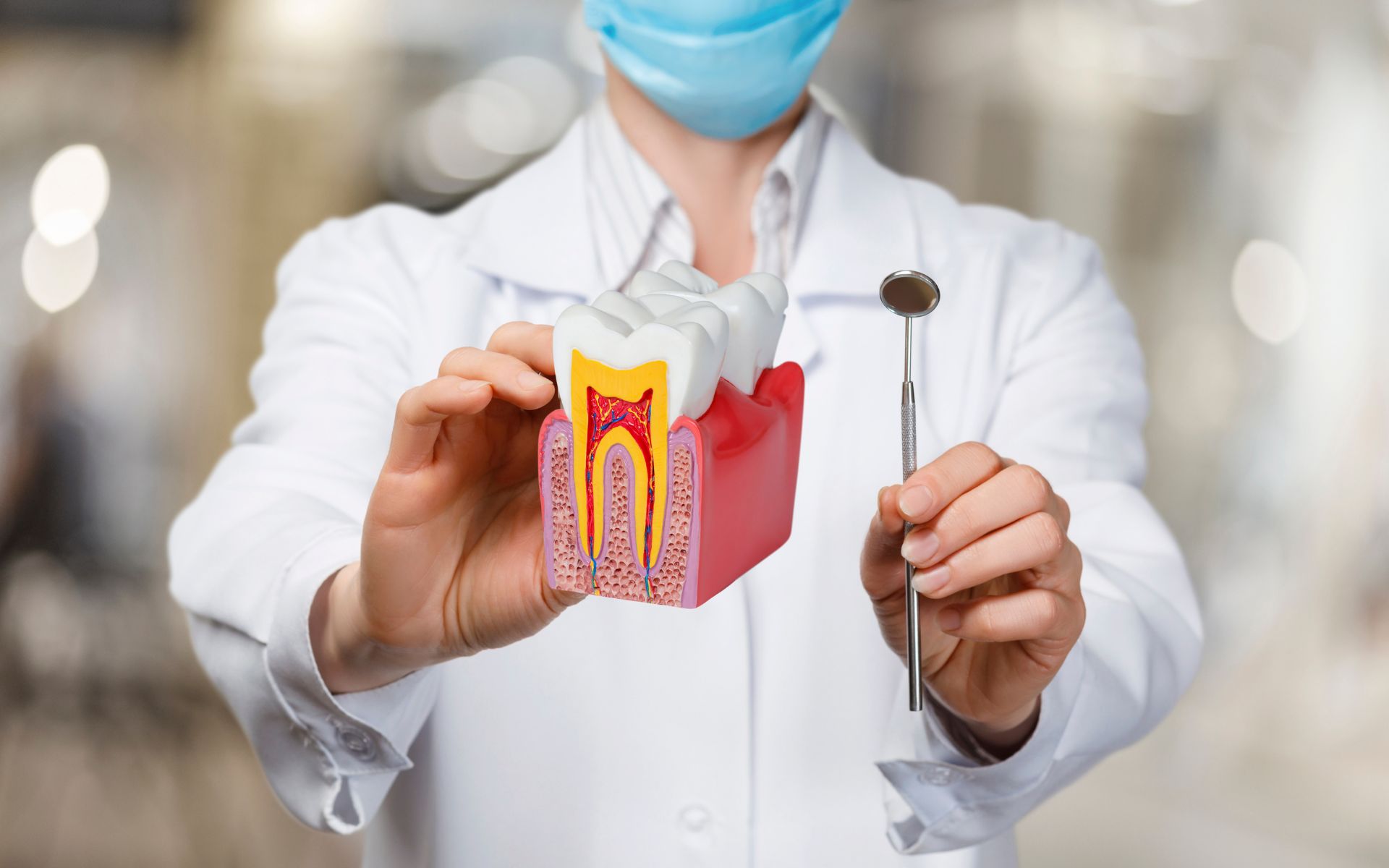
Root canal treatment, commonly known as RCT, is a dental procedure designed to save a severely infected or damaged tooth. Inside every tooth is a soft tissue called the pulp, which contains nerves and blood vessels.
When bacteria enter the pulp due to deep decay, cracks, trauma, or repeated dental procedures, infection develops. Root canal treatment removes the infected tissue, disinfects the canals, and seals the tooth to prevent future infection.
The primary goal is to eliminate pain, preserve the natural tooth, and restore oral health.
Why Do People Fear Root Canal Treatment?
For decades, root canals developed a reputation for being painful. Much of this fear originated from older treatment techniques used before modern anesthesia and advanced dental technology became widely available.
Common reasons for anxiety include:
Fear of Pain
Many people assume root canal treatment itself is painful.
Previous Dental Experiences
Past unpleasant experiences may create anxiety.
Misleading Stories
Friends, family members, and internet myths often exaggerate discomfort.
Fear of Dental Instruments
Some patients become nervous simply thinking about dental procedures.
Fortunately, modern root canal therapy is very different from outdated perceptions.
Understanding the Real Source of Tooth Pain
One important fact patients should understand is that root canal treatment is designed to relieve pain, not create it.
The severe discomfort patients experience is usually caused by:
- Deep tooth decay
- Pulp inflammation
- Dental abscesses
- Severe infection
- Cracked teeth
By removing infected tissue, root canal treatment addresses the source of pain and promotes healing.
Is Painless Root Canal Treatment Really Possible?
The answer is yes.
Modern dental techniques allow dentists to perform root canal treatment with minimal discomfort. Most patients report that the procedure feels similar to receiving a routine dental filling.
Thanks to advanced anesthesia and precise treatment methods, the majority of patients experience little to no pain during treatment.
This is why painless root canal treatment is considered a reality in modern dentistry.
How Modern Dentistry Makes Root Canal Treatment Comfortable
Advanced Local Anesthesia
One of the most significant improvements in dental care is the effectiveness of modern anesthetics.
Before beginning treatment, the dentist carefully numbs the area surrounding the affected tooth. This ensures the patient remains comfortable throughout the procedure.
Digital Diagnostic Technology
Modern dental clinics use digital imaging and advanced diagnostics to accurately identify the problem and plan treatment.
Precise diagnosis contributes to efficient and comfortable procedures.
Rotary Endodontic Instruments
Traditional manual instruments have largely been replaced by advanced rotary systems.
These instruments:
- Improve precision
- Reduce treatment time
- Enhance cleaning efficiency
- Increase patient comfort
Improved Infection Control
Modern disinfection techniques help eliminate bacteria more effectively, improving treatment outcomes and reducing post-treatment complications.
Signs You May Need Root Canal Treatment
Recognizing symptoms early can prevent serious complications.
Persistent Tooth Pain
Continuous discomfort that does not resolve on its own may indicate infection.
Sensitivity to Hot and Cold
Lingering sensitivity often signals pulp involvement.
Swollen Gums
Inflammation around a tooth may suggest infection.
Tooth Discoloration
A darkened tooth can indicate internal damage.
Pain While Chewing
Discomfort during biting may be a warning sign.
Dental Abscess
Pus formation near the affected tooth requires immediate attention.
Seeking prompt treatment improves the chances of saving the tooth.
Step-by-Step Root Canal Procedure
Understanding the process can significantly reduce anxiety.
Initial Consultation
The dentist examines the tooth and evaluates symptoms.
Digital X-rays may be recommended to assess the extent of infection.
Administration of Local Anesthesia
The area is carefully numbed to ensure patient comfort.
Isolation of the Tooth
A protective barrier may be placed around the tooth to maintain cleanliness.
Access Opening
A small opening is created to access the infected pulp.
Removal of Infected Tissue
The infected nerve and damaged tissue are gently removed.
Cleaning and Shaping
The root canals are thoroughly cleaned and prepared.
Disinfection
The canals are disinfected to eliminate bacteria.
Filling the Canals
Specialized materials seal the canals and prevent reinfection.
Final Restoration
The tooth may receive a filling or crown for long-term protection.
Most patients are surprised by how comfortable the procedure feels.
What Does a Patient Feel During Treatment?
With proper anesthesia, patients typically experience:
- Mild pressure
- Vibrations from dental instruments
- Occasional sensations without pain
Sharp pain should not occur during treatment.
If discomfort develops, the dentist can provide additional anesthesia to ensure comfort.
Recovery After Root Canal Treatment
Recovery is usually straightforward.
Patients may experience mild tenderness for a few days due to healing tissues.
Helpful recovery guidelines include:
Follow Medication Instructions
Take prescribed medications as directed.
Avoid Hard Foods
Give the treated tooth time to recover.
Maintain Oral Hygiene
Continue brushing and flossing carefully.
Attend Follow-Up Visits
Regular monitoring supports long-term success.
Most individuals return to normal activities shortly after treatment.
Common Myths About Root Canal Treatment
Myth 1: Root Canals Are Extremely Painful
Modern procedures are designed to eliminate pain, not cause it.
Myth 2: Extraction Is Better Than Root Canal Treatment
Saving a natural tooth is generally the preferred option whenever possible.
Myth 3: Root Canal Treatment Requires Many Visits
Many cases can be completed efficiently using modern techniques.
Myth 4: The Tooth Becomes Weak Immediately
Proper restoration with a filling or crown helps strengthen the tooth.
Myth 5: Root Canal Treatment Is Unsafe
Root canal therapy is a widely accepted and successful dental procedure.
Understanding these facts helps reduce unnecessary fear.
Benefits of Root Canal Treatment
Pain Relief
Eliminates the source of infection and discomfort.
Saves Natural Teeth
Preserving natural teeth supports oral health.
Prevents Tooth Loss
Avoids the need for extraction.
Restores Normal Function
Allows comfortable chewing and speaking.
Protects Adjacent Teeth
Maintains proper dental alignment.
Improves Oral Health
Removes infection before it spreads.
These benefits make root canal treatment one of the most valuable restorative procedures available.
Root Canal Treatment Versus Tooth Extraction
Patients sometimes consider extraction as an alternative.
However, preserving the natural tooth often offers significant advantages.
Advantages of Root Canal Treatment
- Maintains natural appearance
- Preserves chewing efficiency
- Prevents neighboring teeth from shifting
- Supports jawbone health
- Often reduces future restorative needs
Whenever possible, saving the natural tooth remains the preferred approach.
Why Timely Treatment Is Important
Delaying root canal treatment can lead to:
- Increased pain
- Spread of infection
- Dental abscess formation
- Swelling
- Bone damage
- Tooth loss
Early diagnosis and intervention improve outcomes and reduce complications.
Choosing a Root Canal Specialist in Mohali
Selecting the right dentist is important for a comfortable experience.
Consider factors such as:
Experience
An experienced dentist can manage complex cases efficiently.
Advanced Technology
Modern equipment contributes to accuracy and comfort.
Patient Reviews
Positive feedback often reflects quality care.
Hygiene Standards
Strict sterilization protocols are essential.
Personalized Treatment
Every patient deserves individualized care.
The right dental professional can significantly reduce anxiety and improve treatment success.
How to Prevent the Need for Root Canal Treatment
Although root canals are highly effective, prevention is always preferable.
Brush Twice Daily
Maintain good oral hygiene habits.
Floss Regularly
Remove plaque between teeth.
Limit Sugary Foods
Reduce cavity risk.
Wear Protective Mouthguards
Prevent sports-related dental injuries.
Attend Routine Dental Checkups
Early detection helps avoid major problems.
Preventive care remains the foundation of long-term oral health.
Conclusion
So, is painless root canal treatment in Mohali a myth or reality? Modern dentistry clearly demonstrates that it is a reality. Thanks to advanced anesthesia, improved technology, and modern treatment techniques, root canal therapy has become a comfortable and highly successful procedure.
The pain that patients fear is usually caused by the infection itself—not the treatment used to remove it. By addressing infection promptly, root canal treatment relieves discomfort, preserves natural teeth, and restores oral health.
If you are experiencing persistent tooth pain, sensitivity, swelling, or signs of infection, seeking professional care early can help prevent complications and save your natural tooth.
For expert root canal treatment, cosmetic dentistry, dental implants, pediatric dentistry, and complete oral care solutions, visit:
A healthy smile begins with timely treatment and professional dental care.