

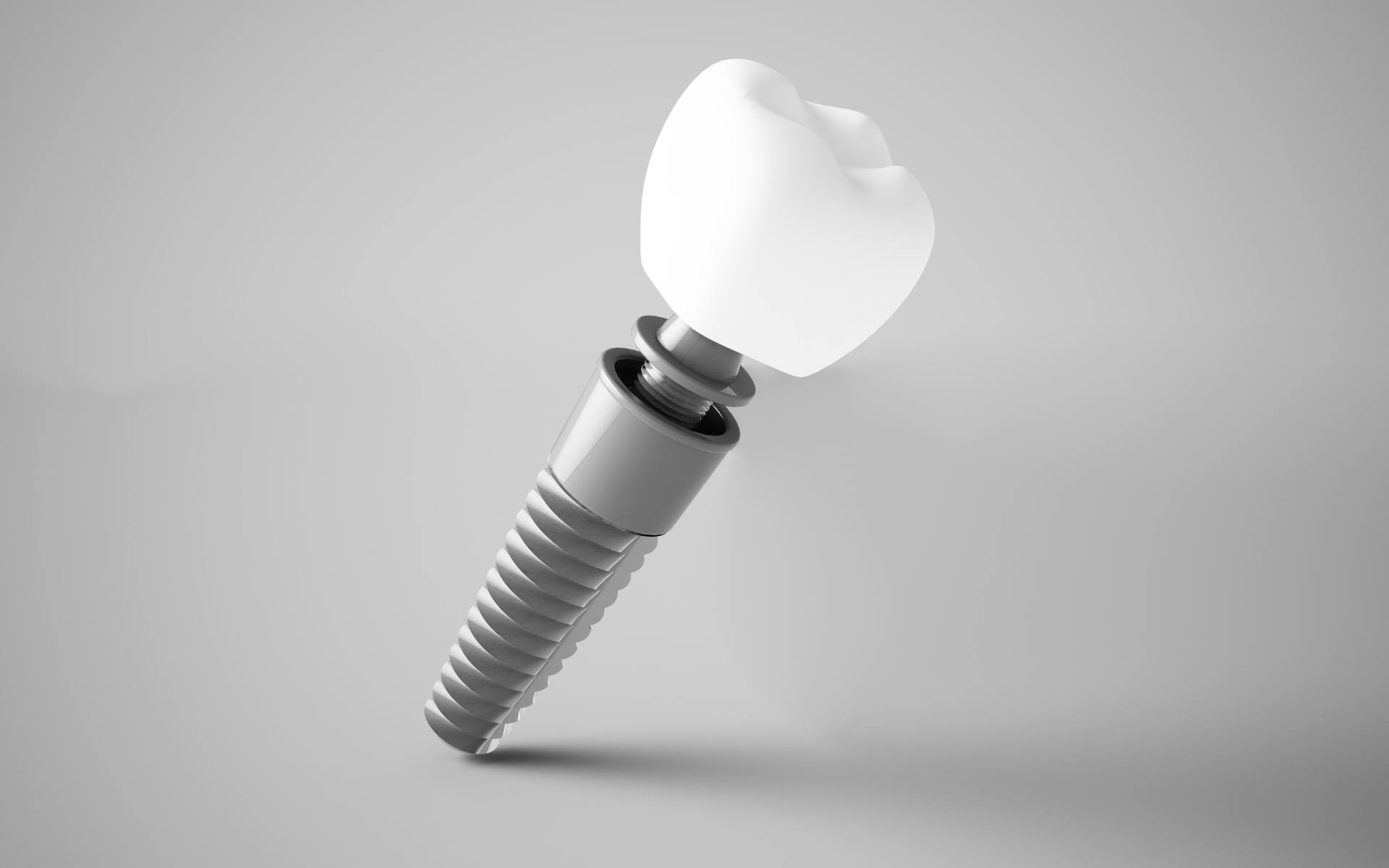
Missing teeth can affect more than just your smile. They may make chewing difficult, affect speech, change facial appearance and reduce confidence. If you have lost one or more teeth due to tooth decay, gum disease, injury or other dental problems, replacing them can help restore oral function and appearance. Among the available tooth replacement options, dental implants are widely considered a long-term solution for missing teeth.
Dental implants are designed to replace the roots of missing teeth and support artificial teeth such as crowns, bridges or full-arch restorations. With proper planning, good oral hygiene and regular dental checkups, dental implants can provide stable and natural-looking results for many years.
If you are searching for dental implants in Mohali, understanding their benefits, procedure, durability and maintenance can help you make an informed decision.
What Are Dental Implants?
Dental implants are small, screw-shaped devices, commonly made from titanium, that are placed into the jawbone to replace the roots of missing teeth. Once the implant integrates with the surrounding bone, it can support a dental crown, bridge or denture.
A typical dental implant restoration has three main components:
- Implant fixture: The part placed inside the jawbone that acts as an artificial tooth root.
- Abutment: A connector that attaches the replacement tooth to the implant.
- Dental crown: The visible artificial tooth designed to restore appearance and chewing function.
Unlike removable dentures, dental implants are fixed in the mouth and do not need to be taken out for everyday cleaning. They can be used to replace a single missing tooth, several missing teeth or an entire arch of teeth.
Why Are Dental Implants Considered a Long-Term Solution?
Dental implants offer several advantages that make them a popular option for replacing missing teeth. Their ability to integrate with the jawbone, provide stability and support everyday oral function makes them suitable for many patients.
1. Dental Implants Integrate With the Jawbone
One of the most important advantages of dental implants is a biological process called osseointegration. During this process, the jawbone gradually bonds with the implant surface, creating a stable foundation.
This connection helps the implant remain firmly positioned while supporting the replacement tooth. Unlike traditional dentures, which rest on the gums, dental implants are anchored in the jawbone.
Successful osseointegration is essential for implant stability and long-term function. Healing time varies depending on bone quality, general health and the treatment plan.
2. They Can Last for Many Years
Dental implants are designed to provide long-term tooth replacement. With appropriate placement, regular dental examinations and good oral hygiene, implants can remain functional for many years.
The implant fixture may last for decades in suitable conditions, although the crown or other restoration attached to it may need repair or replacement over time due to normal wear and tear.
Their durability depends on several factors, including:
- Oral hygiene habits
- Gum and bone health
- Smoking and tobacco use
- Overall health conditions
- Bite pressure and teeth grinding
- Regular professional dental care
- Quality of treatment planning and implant placement
Dental implants are not guaranteed to last a lifetime, but they can be a durable option for eligible patients.
3. They Help Preserve Jawbone Structure
When a natural tooth is lost, the jawbone in that area may gradually shrink because it no longer receives normal stimulation from the tooth root.
Dental implants transfer chewing forces to the surrounding bone, helping maintain bone stimulation. This is an important difference between implants and traditional removable dentures.
However, the amount of bone preservation varies between individuals, and implants cannot reverse every type of bone loss. A dentist must assess the available bone before recommending treatment.
4. They Provide Stable Chewing Support
Missing teeth can make it difficult to bite and chew certain foods. Removable dentures may sometimes move or become uncomfortable while eating.
Dental implants are anchored in the jawbone, providing a stable foundation for replacement teeth. Once healing is complete and the restoration is fitted, many patients can enjoy a wider variety of foods comfortably.
Patients should still follow their dentist’s instructions during recovery and avoid putting excessive pressure on a newly placed implant.
5. They Look and Feel More Like Natural Teeth
Dental implant restorations are designed to resemble natural teeth in shape, colour and appearance. A customised crown can be selected to complement the surrounding teeth and create a balanced smile.
Because the implant is fixed in the jawbone, it does not move like a removable denture. Many patients find this stability comfortable when speaking, smiling and eating.
The final appearance depends on the position of the implant, gum health, restoration design and the condition of neighbouring teeth.
6. They Do Not Usually Require Grinding Down Adjacent Teeth
Traditional dental bridges often require the neighbouring teeth to be prepared to support the replacement tooth. Dental implants can replace a missing tooth independently without usually requiring the adjacent healthy teeth to be reduced.
This can help preserve natural tooth structure. Whether an implant or bridge is more suitable depends on the condition of the surrounding teeth, bone availability and individual dental needs.
Dental Implants vs Dental Bridges vs Removable Dentures
Patients looking for a tooth replacement option often compare dental implants with bridges and removable dentures. Each treatment has advantages and limitations.
Dental implants: They are fixed in the jawbone, provide stable support and do not usually require preparation of neighbouring healthy teeth. They involve a surgical procedure and require adequate bone support or additional treatment where necessary.
Dental bridges: A bridge replaces one or more missing teeth by using neighbouring teeth for support. It can restore appearance and chewing function, but supporting teeth may need preparation.
Removable dentures: Dentures can replace several missing teeth or a complete set of teeth without implant surgery. They are removable for cleaning but may require adjustments or replacement as the mouth changes.
A dental consultation can help identify the most appropriate option based on oral health, budget, bone condition and personal preferences.
Who Is a Suitable Candidate for Dental Implants?
Dental implants may be suitable for adults who have lost teeth and want a fixed replacement. However, not every patient is immediately ready for implant treatment.
A dentist may consider the following factors:
- Sufficient jawbone to support the implant
- Healthy gums or manageable gum disease
- Good oral hygiene habits
- Overall medical health
- Controlled conditions such as diabetes
- No active infection at the proposed implant site
- Ability to attend follow-up appointments
Patients with low bone volume may still be candidates after procedures such as bone grafting, depending on their clinical condition. People who smoke, have uncontrolled diabetes or suffer from active periodontal disease may need additional assessment and treatment before implant placement.
What Is the Dental Implant Procedure?
Dental implant treatment is usually completed in stages. The exact process depends on the number of missing teeth, jawbone condition and the type of restoration required.
Step 1: Dental Consultation and Examination
The dentist examines the mouth, gums and remaining teeth. Digital X-rays or 3D imaging may be recommended to evaluate jawbone quality, bone volume and important anatomical structures.
The dentist then discusses suitable treatment options and prepares an individualised plan.
Step 2: Implant Placement
The implant fixture is placed into the jawbone through a minor surgical procedure, usually under local anaesthesia. The procedure depends on the complexity of the case and the number of implants being placed.
Step 3: Healing and Osseointegration
After implant placement, the bone gradually integrates with the implant. This healing period can take several months, depending on individual circumstances.
Temporary teeth may be considered in selected cases, but the dentist will determine whether immediate or delayed restoration is appropriate.
Step 4: Abutment and Crown Placement
Once the implant is sufficiently stable, an abutment is attached and a customised crown or other restoration is fitted. The dentist checks the bite, comfort and appearance before completing the treatment.
How Long Do Dental Implants Take to Heal?
Dental implant healing time varies from patient to patient. Some patients may complete treatment within a few months, while others may need additional time because of bone grafting, infection treatment or other clinical factors.
During recovery, patients should:
- Follow the dentist’s post-operative instructions.
- Maintain gentle oral hygiene around the surgical area.
- Avoid smoking and tobacco products.
- Eat foods recommended during the healing period.
- Attend scheduled follow-up appointments.
- Report persistent pain, swelling or unusual symptoms.
Proper aftercare helps support healing and reduces the risk of complications.
How to Maintain Dental Implants for Long-Term Results
Although dental implants cannot develop tooth decay like natural teeth, the surrounding gums and bone can still become affected by infection and inflammation. A condition called peri-implantitis can damage the tissues supporting an implant.
Daily care is therefore essential.
Brush Twice a Day
Use a soft-bristled toothbrush and fluoride toothpaste to clean the implant crown and surrounding teeth. Pay attention to the gumline, where plaque can accumulate.
Clean Between Your Teeth
Use dental floss, interdental brushes or other cleaning aids recommended by your dentist. Cleaning between teeth helps remove food particles and plaque from areas that a toothbrush may not reach.
Visit Your Dentist Regularly
Routine dental checkups allow the dentist to examine the implant, gums, bite and restoration. Professional cleaning may also be recommended at suitable intervals.
Avoid Smoking and Tobacco
Smoking can negatively affect gum health and healing. Avoiding tobacco is an important step in protecting dental implants.
Manage Teeth Grinding
Excessive grinding or clenching can place additional pressure on implant restorations. If you grind your teeth, your dentist may recommend a protective night guard.
What Are the Possible Risks of Dental Implants?
Dental implants have a good record of success, but they are not free from risks. Possible complications include infection, swelling, bleeding, nerve irritation, sinus-related complications in selected upper-jaw cases and failure of the implant to integrate with the bone.
Long-term problems can also develop if plaque accumulates around the implant or the restoration experiences excessive force.
Choosing an experienced dental professional, following the recommended treatment plan and maintaining regular oral hygiene can help reduce avoidable risks.
Why Choose a Dental Implant Consultation in Mohali?
If you have missing teeth and are considering a permanent tooth replacement option, consulting a qualified dentist is an important first step. A proper assessment helps determine whether you have sufficient bone support, healthy gums and suitable conditions for implant treatment.
Patients searching for dental implants in Mohali, dental implant treatment near Chandigarh or tooth replacement options in Tricity should discuss their medical history, expectations and available treatment choices with a dental professional.
At Dr. Raman Sandhu Dental Clinic, patients can seek guidance about dental implants, crowns, bridges, dentures and other restorative dental treatments. A personalised consultation can help identify an appropriate solution for missing teeth based on individual oral health needs.
Frequently Asked Questions About Dental Implants
1. How long do dental implants last?
Dental implants can last for many years and, in suitable conditions, the implant fixture may remain functional for decades. Their lifespan depends on oral hygiene, gum health, general health, lifestyle habits and regular dental care. The crown may require replacement earlier due to wear or damage.
2. Are dental implants better than dentures?
Dental implants offer fixed support and may provide greater stability while chewing and speaking. Dentures are removable and may be more appropriate for some patients. The better option depends on bone condition, oral health, medical history and personal preferences.
3. Is dental implant surgery painful?
The procedure is generally performed under local anaesthesia, so patients should not feel significant pain during implant placement. Some discomfort, swelling or tenderness may occur afterwards and can usually be managed with the dentist’s recommended medication and aftercare instructions.
4. Can dental implants fail?
Yes. Implant failure can occur if the implant does not integrate properly with the bone or if infection, excessive pressure or other complications develop. Regular dental checkups and good oral hygiene help reduce the risk.
5. Can I get dental implants after many years of losing a tooth?
Yes, many patients can receive dental implants even if they lost a tooth several years ago. However, prolonged tooth loss may cause jawbone shrinkage. A dental examination and imaging are needed to determine whether bone grafting or another procedure is required.
6. Do dental implants require special cleaning?
Dental implants need daily brushing and cleaning between teeth, just like natural teeth. Your dentist may recommend interdental brushes, floss or other cleaning tools depending on the implant restoration.
7. Can older adults get dental implants?
Age alone does not automatically prevent someone from receiving dental implants. General health, jawbone condition, gum health and the ability to maintain oral hygiene are more important factors when assessing suitability.