

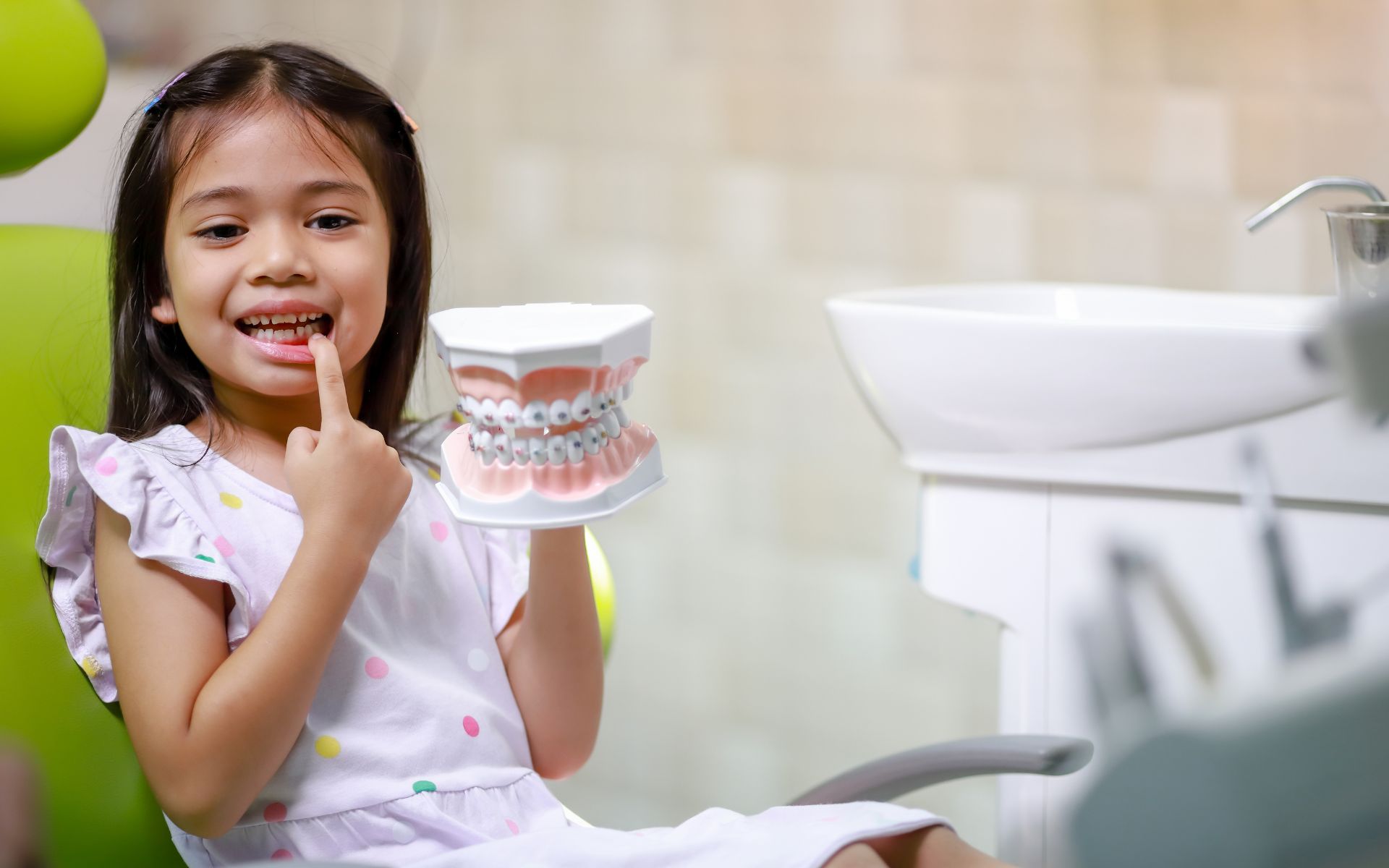
Wearing braces is an important step toward achieving straighter teeth and a healthier smile. However, maintaining proper oral hygiene during orthodontic treatment requires extra care and attention. Brackets, wires, and other orthodontic components can trap food particles and plaque, making it more difficult to clean your teeth using ordinary brushing techniques.
If you do not clean your teeth properly while wearing braces, plaque can accumulate around brackets and along the gumline. This may increase the risk of cavities, gum inflammation, bad breath, and white spots on the teeth after the braces are removed. Following a consistent oral hygiene routine can help protect your teeth throughout treatment.
If you are receiving orthodontic treatment or looking for a dentist in Mohali, understanding how to care for your teeth with braces can help you maintain good oral health. Dr. Raman Sandhu Dental Clinic provides dental care and guidance to help patients understand the importance of preventive dentistry and healthy oral hygiene habits.
Why Is Oral Hygiene Important While Wearing Braces?
Braces gradually move teeth into their desired positions using brackets, wires, and controlled pressure. Although these appliances help correct alignment problems, they also create additional areas where food debris and plaque can collect.
Plaque is a sticky layer of bacteria that forms on teeth throughout the day. When plaque is not removed regularly, bacteria can produce acids that damage tooth enamel. This may lead to tooth decay and permanent white marks around orthodontic brackets.
Poor oral hygiene can also contribute to gingivitis, which causes swollen, red, or bleeding gums. If plaque accumulates along the gumline, the gums may become irritated and uncomfortable.
Maintaining good oral hygiene during orthodontic treatment helps to:
- Reduce plaque buildup around brackets and wires.
- Lower the risk of cavities and enamel damage.
- Prevent gum inflammation and bleeding.
- Reduce bad breath caused by trapped food particles.
- Keep teeth and gums healthy throughout treatment.
- Support better oral health after braces are removed.
For patients searching for braces treatment in Mohali, following professional cleaning advice is an important part of achieving a healthy and attractive smile.
How Often Should You Brush Your Teeth With Braces?
When wearing braces, brushing twice daily is essential, but many orthodontic patients benefit from brushing after every meal whenever practical. Food can become trapped around brackets and wires, particularly after eating sticky, fibrous, or crumbly foods.
Ideally, brush in the morning, after meals when possible, and before going to bed. If you cannot brush immediately after eating, rinse your mouth thoroughly with water to help remove loose food particles. Brush later when you have access to your toothbrush.
Pay particular attention to the areas above and below each bracket, the gumline, and the surfaces of the back teeth. Brushing too quickly may leave plaque behind, even if you brush several times a day.
Use fluoride toothpaste and a soft-bristled toothbrush. Your dentist or orthodontist can recommend a suitable brushing technique based on the type of braces you wear.
Step-by-Step Guide to Brushing Teeth With Braces
Brushing with braces requires a slightly different technique because the brackets and wires create additional surfaces that need cleaning.
Step 1: Choose the Right Toothbrush
A soft-bristled toothbrush is generally suitable for cleaning teeth with braces. You can use a manual toothbrush or an electric toothbrush with a suitable orthodontic cleaning technique.
Some patients find toothbrushes designed for orthodontic appliances helpful because their bristles can reach around brackets more easily. However, the most important factor is using the correct technique and cleaning every tooth surface carefully.
Avoid hard-bristled toothbrushes and aggressive brushing, as these can irritate the gums and contribute to enamel wear.
Step 2: Brush Above the Brackets
Hold your toothbrush at a slight angle toward the gumline and gently clean the tooth surfaces above the brackets. Use small, controlled circular movements rather than scrubbing forcefully from side to side.
Food debris and plaque can accumulate where the teeth meet the gums, so this area requires careful attention.
Step 3: Brush Below the Brackets
Next, angle the toothbrush upward to clean the area below the brackets. Gently brush around the lower edges of the brackets and along the gumline.
Move slowly from one tooth to the next, making sure that you do not skip the areas between brackets.
Step 4: Clean the Brackets and Wires
Brush gently across the brackets and along the orthodontic wire. Clean the upper and lower edges of each bracket to remove food particles that may be trapped around the appliance.
Do not pull, bend, or apply excessive pressure to the wires. If a bracket becomes loose or a wire moves out of position, contact your orthodontist for advice.
Step 5: Brush the Inner Surfaces of Your Teeth
The inner surfaces of the teeth, facing the tongue and palate, also need attention. Brush these surfaces carefully using small movements.
Do not focus exclusively on the front teeth or the visible brackets. The back teeth and inner surfaces can collect plaque even when the front of your smile appears clean.
Step 6: Brush the Chewing Surfaces
Clean the chewing surfaces of your molars using gentle back-and-forth movements. These surfaces contain grooves where food particles and bacteria may accumulate.
Finish by checking your teeth in a mirror to identify any visible food debris or plaque around the brackets.
Step 7: Brush for Two Minutes
Aim to brush for approximately two minutes each time. Divide your mouth into sections so that you spend enough time cleaning all areas.
Rinse your toothbrush thoroughly after use and allow it to air-dry. Replace the toothbrush or brush head when the bristles become worn or according to the manufacturer’s recommendations.
How to Floss Properly While Wearing Braces
Flossing is an important part of orthodontic oral hygiene because a toothbrush cannot clean every surface between the teeth. However, traditional flossing can be more challenging when wires are attached to the brackets.
Food particles and plaque may accumulate between the teeth, increasing the risk of gum inflammation and cavities.
Use a Floss Threader
A floss threader helps guide dental floss beneath the orthodontic wire. Once the floss is positioned, gently move it between the teeth and along the sides of each tooth.
Avoid snapping the floss against your gums, as this may cause irritation. Clean both sides of the space before carefully removing the floss.
Consider Orthodontic Floss
Some dental floss products are designed to make cleaning around braces easier. Your dentist or orthodontist can explain which type may be most suitable for your appliance and dexterity.
Try an Interdental Brush
An interdental brush has a small head designed to clean narrow spaces. It can be useful for removing food debris around brackets, underneath wires, and between teeth where the brush fits comfortably.
Choose the correct size and avoid forcing the brush into tight spaces. If you are unsure which size to use, ask your dental professional for guidance.
Consider a Water Flosser
A water flosser directs a stream of water between teeth and around orthodontic appliances. It can help dislodge food particles and may be useful for patients who find traditional flossing difficult.
However, a water flosser should not automatically replace all other interdental cleaning methods. Your dental professional can recommend a routine that combines brushing with an appropriate method of cleaning between teeth.
Should You Use Mouthwash While Wearing Braces?
Mouthwash can be a useful addition to your oral hygiene routine, but it does not replace brushing or cleaning between your teeth.
A fluoride mouthwash may help protect against tooth decay when used according to the product instructions and your dentist’s advice. This may be particularly helpful for patients who are at increased risk of cavities during orthodontic treatment.
If you use fluoride mouthwash, follow the label directions and avoid swallowing it. Depending on the product, using it at a different time from brushing may help avoid washing away the concentrated fluoride left by toothpaste.
Avoid relying on mouthwash alone to remove food debris from brackets and wires. Physical cleaning remains essential.
Foods to Avoid When Wearing Braces
Your diet can influence how easily you maintain clean teeth and how well your braces remain intact. Certain foods can damage brackets, bend wires, or become trapped around orthodontic components.
Avoid Hard Foods
Hard foods such as ice, hard sweets, and unpopped popcorn kernels can damage brackets or wires. Biting directly into very hard foods may also place excessive pressure on the teeth.
Limit Sticky and Chewy Foods
Sticky sweets, chewing gum, and chewy candies can cling to brackets and wires, making cleaning more difficult. They may also increase the risk of orthodontic appliance damage.
Reduce Sugary Snacks and Drinks
Frequent consumption of sugary foods and drinks can increase the risk of cavities. Sugary drinks consumed repeatedly throughout the day expose teeth to acids produced by bacteria.
Choose water more often and limit the frequency of sugary snacks.
Cut Certain Foods Into Smaller Pieces
You may still be able to eat many healthy foods by preparing them carefully. Cut apples, carrots, and other firm foods into small pieces rather than biting into them directly.
Choose softer foods if your teeth feel sore after an orthodontic adjustment.
How to Prevent White Spots on Teeth After Braces
White spots are areas of enamel demineralisation that can develop when plaque remains around brackets for extended periods. They may become noticeable after braces are removed and can be difficult to reverse completely.
Preventing these marks is easier than treating them later.
Brush carefully around every bracket using fluoride toothpaste. Clean between your teeth daily, limit frequent sugary snacks, and attend recommended dental appointments.
If you notice chalky white areas, bleeding gums, or persistent plaque around your brackets, seek advice from your dentist or orthodontist. They can assess your oral health and recommend suitable preventive measures.
Do not attempt to remove white spots by scrubbing aggressively, as this may damage the teeth.
Common Mistakes to Avoid When Cleaning Braces
Even patients who brush regularly may miss areas around their orthodontic appliances. Avoiding common mistakes can improve your oral hygiene routine.
Brushing too quickly: Rushing can leave plaque around brackets and along the gumline. Spend enough time cleaning every tooth surface.
Using excessive pressure: Hard brushing does not necessarily clean better and can irritate gums. Use gentle, controlled movements.
Ignoring the gumline: Plaque near the gums can contribute to inflammation and bleeding. Clean this area carefully.
Skipping flossing: Brushing alone cannot clean all the spaces between your teeth. Use floss or another recommended interdental cleaning aid daily.
Eating sugary snacks frequently: Repeated exposure to sugar increases the risk of tooth decay, particularly when plaque collects around brackets.
Missing dental appointments: Regular check-ups help identify cavities, gum problems, and other concerns while you are receiving orthodontic treatment.
Using sharp objects to remove food: Do not use pins, needles, or other sharp objects around braces. They can injure your gums or damage your appliance.
What Should You Do If Your Gums Bleed While Brushing?
Bleeding gums can occur when plaque accumulates along the gumline and causes inflammation. This is often associated with gingivitis, although other causes are possible.
Continue gentle brushing and daily interdental cleaning rather than avoiding the affected areas. Poor cleaning can allow more plaque to accumulate and may worsen the problem.
If bleeding continues, becomes frequent, or occurs with swelling, tenderness, or persistent bad breath, arrange a dental examination. Your dentist can assess your gum health and recommend appropriate treatment.
Heavy bleeding, significant pain, or swelling should not be ignored.
How Often Should You Visit a Dentist While Wearing Braces?
Orthodontic patients should attend scheduled appointments with their orthodontist to monitor tooth movement and appliance function. They should also maintain routine dental check-ups according to their individual oral health needs.
The frequency of dental examinations and professional cleaning depends on factors such as plaque buildup, gum health, cavity risk, and previous dental problems.
Some patients may need professional cleaning more frequently than others. Your dentist can recommend an appropriate schedule and check for early signs of enamel damage, cavities, or gum inflammation.
If you are searching for a dentist in Mohali for braces and preventive dental care, choose a dental professional who can help you maintain healthy teeth throughout orthodontic treatment.
When Should You Contact Your Dentist or Orthodontist?
Contact your orthodontist if a bracket becomes loose, a wire breaks or protrudes, or an appliance causes persistent irritation. Avoid trying to repair orthodontic components yourself.
Arrange a dental examination if you develop persistent tooth sensitivity, visible cavities, swollen gums, ongoing bleeding, or pain that does not improve.
Severe toothache, facial swelling, or signs of a dental infection require prompt professional attention. If swelling affects your breathing or swallowing, seek emergency medical care immediately.
Choosing a Dental Clinic in Mohali for Orthodontic Care
Good orthodontic results depend on more than straight teeth. Maintaining healthy enamel and gums throughout treatment is equally important.
When choosing a dental clinic in Mohali, look for qualified professionals who explain your treatment options, provide clear oral hygiene instructions, and help you recognise potential dental problems early.
Dr. Raman Sandhu Dental Clinic offers dental services and guidance for patients who want to maintain good oral health. If you need advice about cleaning your teeth with braces, gum health, or preventive dental care, you can learn more at https://drramansandhu.com/.
Following professional advice and maintaining a consistent cleaning routine can help protect your smile during orthodontic treatment.
Frequently Asked Questions
1. How many times should I brush my teeth with braces?
Brush at least twice daily for approximately two minutes, and ideally after meals when practical. Pay special attention to the areas around brackets, beneath wires, and along the gumline. Use fluoride toothpaste and a soft-bristled toothbrush.
2. Can I use an electric toothbrush with braces?
Yes, an electric toothbrush can be used with braces. Choose a suitable brush head, follow the manufacturer’s instructions, and clean gently around brackets and wires. An electric toothbrush does not eliminate the need to clean between your teeth.
3. Is flossing necessary when wearing braces?
Yes. Flossing or using another appropriate interdental cleaning method helps remove plaque from areas a toothbrush cannot reach. Floss threaders, orthodontic floss, and correctly sized interdental brushes can make cleaning easier.
4. Why do my teeth look white around the brackets?
White marks around brackets may indicate enamel demineralisation caused by plaque and acid exposure. If you notice these areas, consult your dentist. Consistent brushing with fluoride toothpaste and reduced frequency of sugary snacks can help prevent further damage.
5. Can I use a water flosser with braces?
Yes, a water flosser can help remove food debris around braces and between teeth. It can be a useful addition to your routine, but ask your dentist whether you should combine it with traditional floss or another interdental cleaning method.
6. What happens if I do not clean my braces properly?
Inadequate cleaning can increase the risk of cavities, gum inflammation, bad breath, and permanent white spots on the teeth. Good oral hygiene throughout treatment helps protect your teeth and supports long-term oral health.