

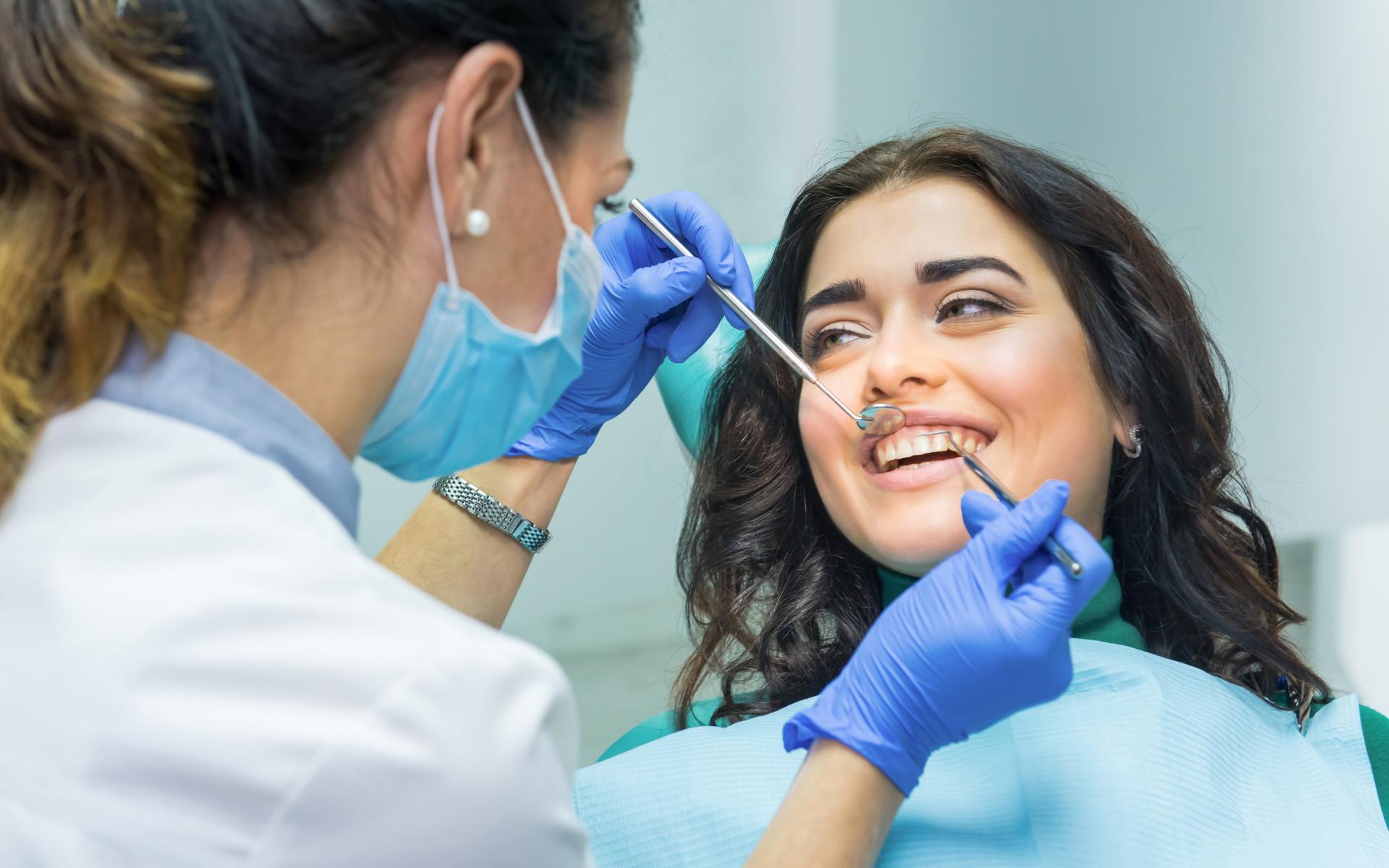
Choosing the right dentist is one of the most important decisions you can make for your oral and overall health. A good dentist does more than just treat teeth — they helps you prevent disease, restore function, enhance your smile, and build confidence. With so many clinics around and endless online options, patients often feel confused about how to choose the best dentist near me.
This comprehensive guide walks you step by step through everything you should check — qualifications, clinic hygiene, technology, fees, reviews, and more — so you can make a confident and informed decision.
Why Choosing the Right Dentist Really Matters
Your dental health affects:
- how you chew and speak
- your smile and confidence
- overall health (heart disease, diabetes, pregnancy outcomes)
- jaw alignment and facial appearance
A skilled, experienced dentist can:
- detect problems early
- save natural teeth wherever possible
- recommend the right treatment rather than the most expensive one
- ensure painless, comfortable procedures
On the other hand, poor-quality dental care may lead to repeated failures, infection, unnecessary extractions, or long-term complications. That’s why proper selection truly matters.
Step 1: Check the Dentist’s Qualifications and Experience
The first thing to verify is education and training.
What to look for:
- recognized dental degree (BDS or DDS/DMD depending on country)
- postgraduate specialization (MDS) if applicable
- additional certifications (implants, cosmetic dentistry, aligners, lasers)
- years of experience
- participation in continuing education courses
A dentist who regularly upgrades their skills is likely to provide modern, evidence-based treatment. Experience is especially important in:
- dental implants
- root canal treatment
- full mouth rehabilitation
- cosmetic smile designing
- surgical extractions
Do not hesitate to ask — a good dentist is always transparent about qualifications.
Step 2: Evaluate the Range of Dental Services Offered
A good clinic should be able to manage both basic and advanced treatments, such as:
- general dentistry and fillings
- root canal treatment
- crowns and bridges
- scaling and polishing
- cosmetic procedures like veneers and teeth whitening
- Invisalign/aligners
- dental implants
- child dentistry
- wisdom tooth removal
- gum treatments
Having multiple services under one roof ensures continuity of care and convenience, especially for families or elderly patients.
Step 3: Hygiene, Sterilization and Clinic Environment
Clinic hygiene is not optional — it is critical.
Things to observe during your visit:
- clean, organized reception and operatory rooms
- use of gloves, masks, head caps, and sanitization
- sterilized instruments packed properly
- disposable items where necessary
- separate bins for medical waste
Ask whether the clinic uses:
- autoclave sterilization
- disinfectant protocols between patients
A clinic that prioritizes infection control prioritizes your safety.
Step 4: Technology and Modern Equipment
Advanced dental technology improves:
- accuracy
- comfort
- treatment success rates
- faster recovery
Look for clinics equipped with:
- digital X-rays or OPG
- intraoral scanners and cameras
- rotary endodontics systems
- laser dentistry equipment
- implant planning tools
Digital dentistry allows patients to see before-and-after simulations, understand problems clearly, and trust the treatment process.
Step 5: Dentist’s Communication and Patient Care Attitude
Technical skill is important — but so is the dentist’s approach.
A reliable dentist will:
- listen patiently to your concerns
- explain diagnosis clearly
- discuss all treatment options
- be honest about risks and benefits
- avoid pushing unnecessary procedures
- prioritize painless dentistry
You should feel heard, comfortable, and respected. If a dentist rushes you, avoids explanations, or seems irritated by questions, look elsewhere.
Step 6: Check Reviews, Testimonials, and Word of Mouth
Patient experience speaks volumes.
Where to check:
- Google reviews
- clinic website testimonials
- social media pages
- recommendations from family and friends
What to look for in reviews:
- mention of painless treatment
- clinic hygiene and ambiance
- communication style
- transparency in pricing
- long-term treatment success results
One or two negative reviews are normal — look at overall patterns rather than isolated comments.
Step 7: Location, Accessibility, and Clinic Timings
Dental care is often ongoing — orthodontics, implants, RCT follow-ups, cleaning every 6 months. Therefore, location matters.
Consider:
- proximity to your home or workplace
- parking availability
- wheelchair access if needed
- clinic hours suiting your schedule
- emergency handling capability
A conveniently located clinic increases the chances that you will maintain regular checkups instead of postponing treatment.
Step 8: Transparent Pricing and Payment Options
The best dentist is not necessarily the cheapest — but should always be transparent.
Look for:
- clear explanation of treatment cost
- written estimates
- breakdown of procedure charges
- details about materials used (e.g., zirconia vs. metal crowns)
Ask whether the clinic provides:
- EMI or installment plans for implants or aligners
- package pricing for full mouth rehabilitation
- insurance assistance where applicable
Be cautious of extremely low prices — they often indicate compromised material quality or rushed procedures.
Step 9: Availability of Emergency Dental Care
Toothaches, broken teeth, and gum swelling can happen unexpectedly. A good dental practice should:
- offer emergency appointments
- respond on phone or WhatsApp
- provide post-treatment guidance
This gives peace of mind, especially for:
- children
- elderly patients
- implant and surgery patients
Step 10: Special Focus on Anxiety-Free and Painless Dentistry
Dental anxiety is common among adults and children. Modern clinics make the experience comfortable through:
- topical numbing gel before injections
- gentle techniques
- shorter appointments with modern tools
- music/TV distraction for kids
- patient counseling
A compassionate dentist understands fear and works with you, not on you.
Red Flags: Signs You Should Avoid a Dentist
Be cautious if you notice:
- lack of sterilization practices
- refusal to show X-rays or findings
- pressure to accept expensive treatment immediately
- dismissive attitude towards your questions
- no discussion of risks, alternatives, or consent forms
- consistently negative online reviews
Trust your instincts as well — if something feels wrong, seek a second opinion.
Frequently Asked Questions Patients Commonly Ask
How often should I visit a dentist?
Ideally every six months, or sooner if you experience pain, bleeding gums, or sensitivity.
Is it okay to choose a dentist only based on cost?
No. Quality, safety, and experience are far more important than the lowest fee.
Should I prefer a specialist?
For complex cases like implants, orthodontics, or complicated root canals, a specialist may be recommended. For routine checkups and fillings, a skilled general dentist is sufficient.
Can I switch dentists if I am unhappy?
Absolutely. Your comfort and trust are essential.
Checklist for Choosing the Best Dentist Near You
Use this practical checklist before finalizing your dentist:
- ✔️ Qualified and experienced
- ✔️ Positive reviews and patient feedback
- ✔️ Clean and sterile clinic
- ✔️ Modern technology and X-ray facilities
- ✔️ Clear explanation of treatment options
- ✔️ Transparent pricing
- ✔️ Convenient location and timing
- ✔️ Emergency care availability
- ✔️ Friendly staff and comfortable environment
- ✔️ Patient-centric approach
If most of the above are YES, you’ve found the right dentist.