

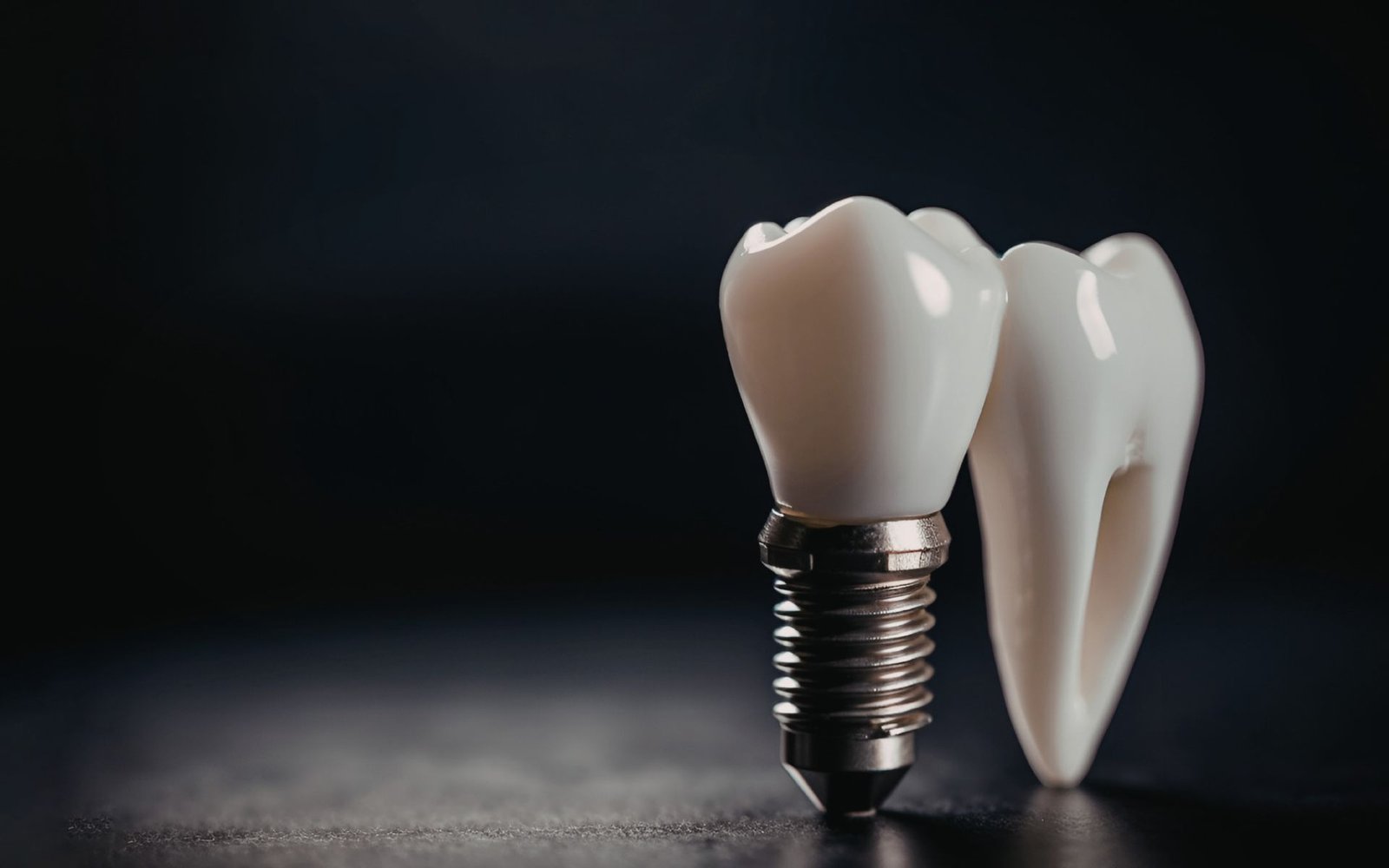
Losing a tooth can affect your smile, chewing ability, and confidence. Dental implants are a popular option for replacing missing teeth because they provide support for a natural-looking replacement tooth. One common question patients ask is whether a dental implant can be placed immediately after tooth extraction or whether they need to wait several weeks or months before starting implant treatment.
The answer is yes, an immediate dental implant may be possible in selected cases. However, the decision depends on the condition of the jawbone, gum health, the presence of infection, and the overall suitability of the extraction site. Understanding the procedure can help you discuss the most appropriate treatment option with your dentist.
What Is an Immediate Dental Implant?
An immediate dental implant is a dental implant placed into the jawbone during the same appointment in which the natural tooth is extracted. Instead of allowing the extraction site to heal completely before implant placement, the dentist evaluates whether the implant can be positioned safely at the time of extraction.
The implant acts as an artificial tooth root and is usually made from biocompatible material such as titanium. After placement, the implant needs time to integrate with the surrounding bone through a process called osseointegration. Once healing and stability requirements are met, a custom-made dental crown can be attached.
It is important to understand that immediate implant placement does not always mean receiving a permanent replacement tooth on the same day. In some cases, a temporary crown may be provided, while other patients need to wait until the implant has healed sufficiently before the final crown is placed.
Who Is a Suitable Candidate for Immediate Dental Implant Placement?
Not every patient is suitable for immediate dental implant treatment. The dentist must carefully examine the tooth, surrounding tissues, and jawbone before recommending this approach.
Patients may be suitable when there is sufficient healthy bone to support the implant, the surrounding gum tissue is in good condition, and the extraction can be performed without causing significant damage to the bone. Adequate implant stability at placement is another important consideration.
The dentist may also evaluate the patient’s general health, smoking habits, oral hygiene, and medical history. Certain medical conditions or medications can influence healing and may require additional planning.
If the tooth is severely damaged but the surrounding bone remains healthy, immediate implant placement may still be possible. However, the decision must be based on a clinical examination rather than the appearance of the tooth alone.
When Is Immediate Dental Implant Placement Not Recommended?
Immediate dental implant placement may not be appropriate when the extraction site has extensive bone damage, severe gum disease, or an infection that cannot be adequately managed. In some situations, there may not be enough bone to achieve the initial stability needed for an implant.
Patients with uncontrolled medical conditions, poor oral hygiene, or other factors that may compromise healing may also require additional evaluation before treatment.
An infected tooth does not automatically rule out immediate implant placement in every case. Selected sites can sometimes be treated successfully when infection is appropriately managed, but the decision depends on the extent of infection, the condition of the surrounding bone, and the ability to achieve implant stability.
If immediate placement is unsuitable, the dentist may recommend extracting the tooth, treating any infection, and allowing the tissues to heal before placing the implant. Bone grafting may be considered when additional bone support is needed.
What Happens During the Immediate Dental Implant Procedure?
1. Dental Examination and Treatment Planning
The process begins with an examination of the tooth, gums, and surrounding bone. Dental X-rays or three-dimensional imaging may be recommended when necessary to assess the bone and nearby anatomical structures.
The dentist uses this information to determine whether immediate implant placement is appropriate and to plan the implant’s position.
2. Careful Tooth Extraction
The damaged tooth is removed as gently as possible to preserve the surrounding bone and gum tissue. Protecting the extraction site is especially important because the remaining bone supports the implant.
3. Dental Implant Placement
If the site is suitable, the dentist places the implant into the jawbone. The implant must achieve adequate initial stability to support the planned healing process.
In some cases, a small amount of bone graft material may be used to address gaps around the implant or support the surrounding tissues.
4. Temporary or Final Tooth Replacement Planning
Depending on implant stability, the location of the tooth, and the patient’s bite, the dentist may provide a temporary restoration or leave the implant to heal without immediate loading.
A temporary tooth may help maintain appearance, particularly for a visible front tooth, but it must be designed carefully to avoid excessive pressure on the healing implant.
5. Healing and Final Crown Placement
Over the following weeks or months, the implant gradually integrates with the jawbone. Once the dentist confirms that healing and stability are satisfactory, a permanent dental crown can be attached.
The timeline varies according to the patient’s bone quality, implant location, general health, and treatment complexity.
Benefits of Immediate Dental Implants
One potential advantage of immediate implant placement is a shorter overall treatment pathway because extraction and implant placement take place during the same appointment. For suitable patients, this may reduce the number of surgical visits.
Immediate placement may also help preserve the natural contours of the extraction site when combined with appropriate surgical techniques and careful case selection. It can be particularly helpful when replacing a visible tooth, where maintaining gum appearance is important.
Another benefit is the opportunity to plan tooth replacement from the beginning rather than leaving the space untreated for an extended period. A well-planned replacement can help restore chewing function and improve the appearance of the smile.
However, these benefits are not guaranteed for every patient. Immediate implants require careful planning, and some cases achieve better results with delayed placement.
Immediate Dental Implants vs. Delayed Dental Implants
The main difference is when the implant is placed.
With an immediate implant, the implant is inserted during the tooth extraction appointment. With delayed placement, the extraction site is allowed to heal before the implant procedure is performed.
Immediate placement may reduce the number of separate procedures and shorten the treatment schedule for selected patients. Delayed placement may be preferable when the extraction site needs time to heal, infection requires management, bone grafting is necessary, or adequate implant stability cannot be achieved immediately.
Neither approach is automatically better for everyone. The most suitable method depends on the clinical findings and the long-term stability expected from the treatment.
How Long Does an Immediate Dental Implant Take to Heal?
Although the implant may be placed on the same day as tooth extraction, complete healing takes considerably longer. The gum tissue begins healing shortly after surgery, while the implant needs additional time to integrate with the jawbone.
In many cases, the integration process takes several months. The exact duration depends on the location of the implant, bone quality, surgical complexity, and individual healing response.
Patients should follow the dentist’s instructions, maintain careful oral hygiene, attend follow-up appointments, and avoid putting excessive pressure on the implant during healing.
Smoking can negatively affect oral healing and implant outcomes. Patients should discuss smoking cessation and any medical conditions with their dentist before treatment.
How Much Does an Immediate Dental Implant Cost?
The cost of an immediate dental implant depends on several factors, including the implant system, the complexity of extraction, diagnostic imaging, bone grafting requirements, the type of temporary or permanent crown, and follow-up care.
Additional procedures may increase the overall cost. Immediate placement is not necessarily less expensive than delayed placement because the treatment may require specialized planning and restoration.
Patients should ask for a complete treatment plan that explains the expected stages, included services, potential additional procedures, and follow-up requirements before making a decision.
How to Care for Your Mouth After Immediate Implant Placement
Following post-operative instructions is essential for proper healing. Eat soft foods as advised, avoid chewing directly on the implant or temporary restoration when instructed, and keep the surrounding teeth clean using the recommended brushing technique.
Do not smoke during the healing period, and take prescribed medication only as directed. Avoid disturbing the surgical site with your fingers or tongue.
Contact your dentist if you experience increasing pain, persistent bleeding, significant swelling, fever, or movement of the implant or temporary restoration. Prompt assessment can help identify complications early.
Choose the Right Dental Implant Treatment in Mohali
If you have a damaged tooth that needs extraction, immediate dental implant placement may offer a convenient tooth-replacement option. However, successful treatment depends on careful assessment, appropriate case selection, adequate implant stability, and proper aftercare.
At Dr. Raman Sandhu Dental Clinic, patients can discuss dental implants and other tooth-replacement options based on their individual oral-health needs. The clinic provides dental services including implants, crowns and bridges, root canal treatment, cosmetic dentistry, dentures, and general dental care.
Clinic Address: 11, Inside Smart Clinics, Near Chawla Hospital, Phase 7, Sector 61, Sahibzada Ajit Singh Nagar, Punjab 160055.
Contact: 7417900003
If you are considering a dental implant after tooth extraction, schedule a consultation to find out whether immediate placement or a delayed approach is more suitable for your condition.
Frequently Asked Questions
Can a dental implant be placed on the same day as tooth extraction?
Yes. Immediate placement is possible when the bone and gum conditions are suitable and adequate implant stability can be achieved. Not every extraction site is appropriate for this approach.
Can I get a permanent tooth on the same day?
Not always. Some patients may receive a temporary tooth, but the permanent crown is usually placed after the implant has healed sufficiently. Immediate loading depends on the clinical situation.
Is immediate implant placement painful?
The procedure is generally performed using local anaesthesia, which helps control pain during treatment. Some discomfort, swelling, or tenderness may occur afterward and can usually be managed with the dentist’s instructions.
Is an immediate dental implant better than a delayed implant?
Neither option is universally better. Immediate placement may shorten the treatment pathway for suitable patients, while delayed placement may be safer or more predictable when the extraction site needs to heal first.
What happens if I am not suitable for an immediate implant?
The dentist may recommend extracting the tooth, managing infection if present, and allowing the site to heal before implant placement. Bone grafting or other preparatory treatment may be recommended when necessary.